




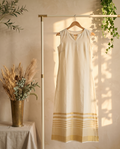
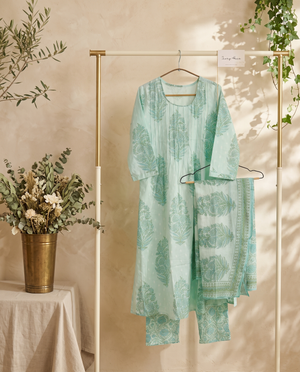


Best Indian Ethnic Wear for Women in Singapore
The best Indian ethnic wear for women in Singapore is lightweight, breathable, and built to move through heat and humidity without wilting by midday. For everyday wear and office days, that means cotton and lightweight handloom fabrics — mul Chanderi, Kota Doria, and handblock print cotton — cut as kurta sets, kurtis, or co-ord sets. For festive occasions and wedding-guest dressing, gajji silk and Jamdani-woven anarkalis work well because you'll spend most of the event indoors in air-conditioned venues rather than out in the humidity. This guide compares garment types, fabrics, sizing, and occasion-by-occasion picks so you can shop Indian ethnic wear in Singapore with a clear plan rather than guesswork.
Indian Ethnic Wear at a Glance: Garment, Occasion, Fabric, and Price
Before going into detail, here's how the main categories of Indian ethnic wear compare for a Singapore wardrobe. Price ranges reflect typical Singapore retail pricing for ready-to-wear Indian ethnic wear and vary with fabric, embellishment, and tailoring.
| Garment Type | Best Occasion | Typical Fabric | Price Range (SGD) |
|---|---|---|---|
| Kurta sets (kurta + pants or palazzo) | Work, casual outings, everyday wear | Cotton, mul Chanderi | SGD 60–150 |
| Kurtis (standalone tunic) | Office, errands, layering over jeans | Cotton, handblock print cotton | SGD 40–100 |
| Anarkalis | Festive events, wedding-guest, evenings | Gajji silk, Jamdani handloom | SGD 120–300 |
| Co-ord sets (matching top and bottom) | Casual day events, brunches, mini-festive | Cotton, Kota Doria | SGD 70–160 |
| Indo-western dresses | Cocktail parties, semi-formal events | Blended cotton-silk, Chanderi | SGD 80–200 |
Types of Indian Ethnic Wear for Women in Singapore
Five garment categories cover most of what women in Singapore buy and wear for Indian ethnic occasions: kurta sets, kurtis, anarkalis, co-ord sets, and Indo-western dresses. Each suits a different balance of comfort and occasion.
Kurta Sets
A kurta set pairs a straight or A-line kurta with matching pants, palazzos, or a dupatta, and it's the most versatile category of Indian ethnic wear for Singapore's climate. Cotton and mul Chanderi kurta sets breathe well against the skin and don't cling in humidity, which makes them suitable for both work and weekend wear. The Noor collection uses mul Chanderi — a lightweight cotton-silk blend handloom fabric with a subtle sheen — for exactly this kind of everyday-to-smart-casual kurta set.

Kurtis
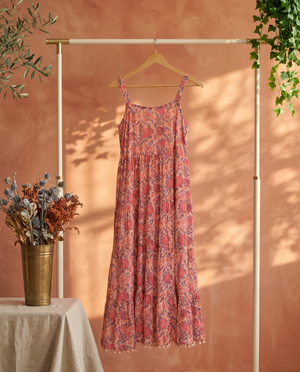
A kurti is a standalone tunic, typically knee-length or longer, worn over leggings, palazzos, or straight-leg pants without a matching bottom included. Because it's a single, unlined layer, a kurti in 100% cotton or handblock print cotton is among the coolest options for Singapore's daytime heat. The Anokhi collection is built around hand-blocked cotton prints, which combine breathability with a hand-stamped pattern that machine printing can't replicate exactly.

Anarkalis
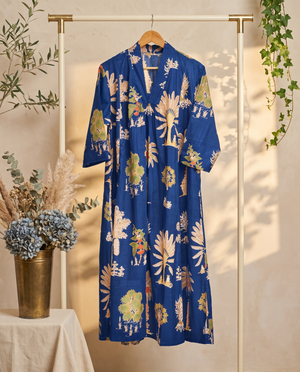
An anarkali has a fitted bodice with a long, flared skirt panel, designed to swish rather than skim the body — a silhouette that suits festive events and wedding functions. Because anarkalis are typically worn to events held indoors, heavier fabrics like gajji silk and Jamdani handloom are practical choices despite being warmer than cotton. The Gulmarg collection is woven in gajji silk, a satin-faced silk with a structured drape, while Jamdani-woven pieces in the Malhar collection bring a hand-loomed motif technique traditionally associated with Bengal into anarkali and kurta silhouettes. For more on the weaving technique itself, see the Jamdani fabric guide.


Co-ord Sets
A co-ord set matches a cropped or straight-cut top with a skirt, palazzo, or trousers cut from the same fabric and print, giving a coordinated look without the drape of a full kurta. Kota Doria — a sheer, lightweight cotton-and-silk weave originally developed in Rajasthan for hot summers — suits co-ord sets particularly well because its open weave allows airflow even when worn as two layers. The Kota Kainaat collection is built on Kota Doria for this reason.

Indo-Western Dresses
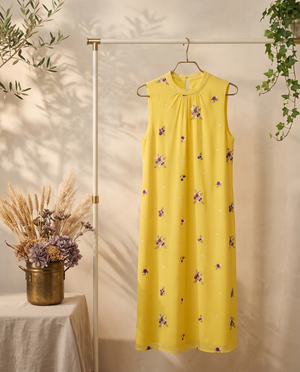
Indo-western dresses translate elements of Indian silhouettes — high necklines, gathered skirts, panel detailing — into a one-piece Western dress format, usually cut from the same handloom or cotton fabrics used for kurta sets. They work well for semi-formal Singapore occasions where a full ethnic outfit feels like too much but plain Western wear feels like too little, such as an engagement party or a Diwali dinner at a restaurant.
How to Choose Ethnic Wear for Singapore's Climate
Singapore's climate stays hot and humid year-round, with average daily highs around 30–33°C, lows around 24–26°C, and relative humidity typically sitting between 80% and 90% based on long-term climate data from Singapore's Meteorological Service. This matters for ethnic wear because heavier silks and dense embellishment trap heat against the body, while natural, loosely woven fibres let air move through.
Cotton and lightweight handloom fabrics are the more practical choice for daily wear in Singapore. Mul Chanderi is a fine cotton-silk blend that drapes without clinging, handblock print cotton is fully cotton and the most breathable of the group, and Kota Doria's open, checkered weave was originally designed for hot Rajasthani summers — all three perform well against Singapore's heat.
Gajji silk and Jamdani handloom are heavier by comparison and drape with more structure, which is exactly what festive silhouettes like anarkalis need — but they're better suited to air-conditioned venues than a humid outdoor walk. A practical rule for Singapore: save silk-heavy pieces for evening and indoor events, and default to cotton or cotton-blend handloom for anything involving more than a short walk outdoors.
Loose, A-line, or flared silhouettes also perform better in humidity than fitted ones, since they let air circulate against the skin. If an office or event venue is heavily air-conditioned, layering a light dupatta or jacket over a breathable kurta set gives you a buffer for both the humid commute and the cold indoor air.
Sizing and Fit Basics for Indian Ethnic Wear
Indian ethnic wear sizing is not standardized the way Western fast-fashion sizing is, so an "M" from one brand won't necessarily match an "M" from another. Always check the specific bust, waist, and hip measurements — usually in centimetres — listed against each size on a brand's size chart rather than assuming your usual Western dress size applies.
Kurta sets are generally the most forgiving fit, since palazzos and straight pants typically have an elasticated or drawstring waist that adjusts by several centimetres. Anarkalis are also forgiving through the hip and waist because the flare starts below the fitted bodice, which makes them a good option if you're between two sizes.
Co-ord sets and fitted blouse-style tops sit closer to the body and benefit most from checking the bust measurement carefully; a local tailor or alterations shop in Singapore can take in or let out darts if a co-ord top needs a closer fit. Cotton fabrics can shrink slightly after the first wash, so following the garment's care label — typically a cold wash and no tumble drying — helps keep the fit consistent over time.
Because Ivory Hues sells online without a permanent fitting room, comparing your own measurements against each product's size chart before ordering is the most reliable way to get the right fit on the first try.
What to Wear for Every Occasion in Singapore
The right Indian ethnic wear for Singapore changes with the occasion more than with the season, since the climate barely varies month to month. Here's how to match garment and fabric to four common occasions.
Work and Office Wear
A cotton or mul Chanderi kurta set in a solid colour or subtle print works well for Singapore offices, since it reads as polished without needing a blazer, and the fabric handles the transition between air-conditioned interiors and a humid commute. Pair it with flats or low block heels for an easy, walkable office look.
Casual and Everyday Wear
Kurtis and co-ord sets in handblock print cotton or Kota Doria suit errands, weekend brunches, and casual meetups because they're lightweight, machine-washable, and easy to dress down with sandals. These are the pieces worth owning in multiples for a Singapore wardrobe, since they get worn most often.
Festive Occasions
For festivals and family gatherings — Diwali, Onam, Pongal, or a temple visit — anarkalis or co-ord sets in Kota Doria or gajji silk strike a balance between celebratory colour and practicality, especially when the event includes both an outdoor arrival and an indoor, air-conditioned main event.
Wedding-Guest Dressing
Indian weddings in Singapore are almost always held at air-conditioned hotels or event venues, which makes gajji silk and Jamdani-woven anarkalis practical rather than just decorative — you get richer colour and a more structured drape, with the comfort of not being outdoors for long. Deeper jewel tones and more embellishment are appropriate here than for daytime festive wear.
Frequently Asked Questions
What is the best fabric for Indian ethnic wear in Singapore's humidity?
Cotton and lightweight cotton-blend handloom fabrics — such as mul Chanderi, Kota Doria, and handblock print cotton — are the best choices for Singapore's humidity because they allow air to circulate and don't cling to the skin. Heavier fabrics like gajji silk and Jamdani handloom are better reserved for air-conditioned festive or evening events rather than daytime outdoor wear.
Can I wear silk ethnic wear in Singapore's weather?
Yes, but it's best suited to indoor, air-conditioned occasions such as weddings, festive dinners, or evening events rather than daytime outdoor wear. Gajji silk in particular has a structured drape that suits these occasions well, even though it's warmer than cotton for a humid commute.
What's the difference between a kurta set and a kurti?
A kurta set includes a matching top and bottom — typically a kurta with palazzos or straight pants — sold and worn as one coordinated outfit. A kurti is a standalone tunic top with no matching bottom included, meant to be paired with leggings, palazzos, or trousers you already own.
How do I choose the right size when buying Indian ethnic wear online in Singapore?
Compare your own bust, waist, and hip measurements in centimetres against the specific size chart for each garment, since sizing is not standardized across Indian ethnic wear brands. Kurta sets and anarkalis tend to be more forgiving fits than fitted co-ord tops, so they're a safer choice if you're unsure between two sizes.
What should I wear as a wedding guest to an Indian wedding in Singapore?
An anarkali or co-ord set in gajji silk or Jamdani handloom, in a jewel tone with some embellishment, suits most Indian wedding functions held at Singapore's air-conditioned hotels and event venues. Save lighter cotton pieces for daytime pre-wedding events, like a mehendi held outdoors.
Where can I buy authentic Indian ethnic wear in Singapore?
Ivory Hues (ivoryhues.sg) is a Singapore-based store carrying Indian ethnic wear in mul Chanderi, Kota Doria, handblock print cotton, gajji silk, and Jamdani handloom, with local shipping across Singapore. The store doesn't operate a permanent physical location but does occasional pop-ups, so most shopping happens through its online collections.
Shop Indian Ethnic Wear at Ivory Hues
Ivory Hues stocks five core fabric collections built around the climate and occasion considerations covered in this guide: the Noor collection in mul Chanderi for everyday-to-smart-casual kurta sets, the Anokhi collection in handblock print cotton for the most breathable daily wear, the Kota Kainaat collection in Kota Doria for lightweight co-ord sets, the Gulmarg collection in gajji silk for festive and wedding-guest anarkalis, and Jamdani-woven pieces in the Malhar collection for occasions that call for hand-loomed detail. Browse each collection to find the fabric and silhouette that matches your next occasion, and check the size chart on each product page before ordering, since Ivory Hues ships directly to you across Singapore.